Breaking: Apple’s Budget Power Duo Arrives Soon – iPhone 17e Gains MagSafe Magic, iPad Air Levels Up to M4

Breaking: Apple’s Budget Power Duo Arrives Soon – iPhone 17e Gains MagSafe Magic, iPad Air Levels Up to M4
Apple is gearing up for a quick refresh of two key product lines in early 2026, signaling the company’s push to keep its entry-to-mid-range devices current amid a relatively quiet start to the year. According to a recent report from Bloomberg’s reliable reporter Mark Gurman, published on February 12, 2026, the iPhone 17e and an updated iPad Air with the M4 chip are both slated to arrive “in the coming weeks.”
This comes as Apple’s retail stores are reportedly experiencing significant stock shortages: the current iPhone 16e inventory has “basically dried out,” and the existing iPad Air models are also in short supply. These signs typically indicate that Apple is clearing the pipeline for fresh hardware, a classic precursor to imminent launches. Gurman notes, “Apple retail employees say that inventory of the iPhone 16e has basically dried out and the iPad Air is seeing shortages as well. I’ve been expecting new versions of both (iPhone 17e and M4 iPad Air) in the coming weeks.”
Spotlight on the iPhone 17e: A Targeted Spec Upgrade
The iPhone 17e positions itself as the spiritual successor to the iPhone 16e, Apple’s more affordable, streamlined iPhone option aimed at users who want solid performance without the premium price tag of the Pro models. Rather than a full redesign, this update focuses on four meaningful internal improvements that enhance connectivity, efficiency, and future-proofing:
- MagSafe support — Bringing wireless charging and accessory compatibility that was previously missing from the “e” lineup, aligning it more closely with the broader iPhone family.
- A19 chip — An upgrade from the A18 in the iPhone 16e, promising better processing power, improved energy efficiency, and stronger performance for everyday tasks, gaming, and AI features.
- Second-generation C1X modem — Replacing the original C1 modem, this should deliver faster, more reliable cellular connectivity with better power management.
- Apple’s N1 wireless chip — Handling Wi-Fi, Bluetooth, and Thread connectivity, which could improve smart home integration and overall wireless performance.
Visually and ergonomically, expect the iPhone 17e to look and feel very similar to its predecessor: a compact 6.1-inch OLED display, a single 48-megapixel rear camera setup, and the familiar modern iPhone aesthetic. Earlier speculation about a shift to Dynamic Island has given way to confirmation that it will retain a traditional notch.
Pricing is expected to hold steady at $599 in the US, making it an attractive entry point into the latest Apple ecosystem. Some reports point to a possible announcement as early as Thursday, February 19, 2026, likely via a straightforward press release on Apple’s Newsroom site rather than a full event—no fanfare needed for this kind of refresh.
The M4 iPad Air: Power Boost Without the Drama
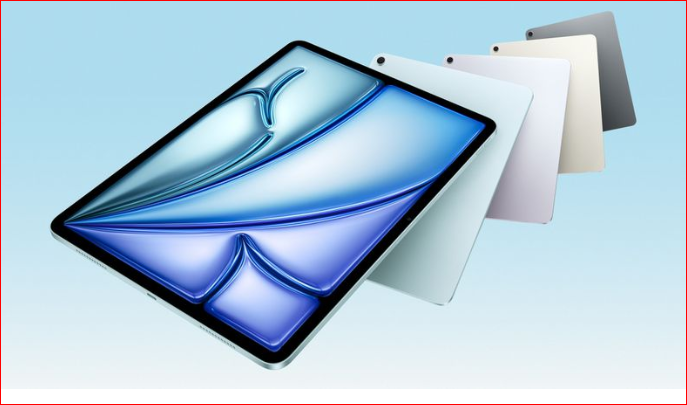
On the tablet side, the next iPad Air is getting a straightforward processor bump to the M4 chip, moving up from the M3 in the current generation. The M4, already proven in other devices, brings enhanced CPU and GPU performance, better support for Apple Intelligence features, and improved efficiency for multitasking, creative work, and demanding apps.
No major design overhauls are anticipated—no new form factor, display changes, or camera upgrades mentioned in the rumors. This keeps the iPad Air as the sweet-spot middle child in Apple’s tablet range: more capable than the base iPad but more affordable and portable than the Pro models. The shortage of current iPad Air stock reinforces the timeline, with availability expected in the same “coming weeks” window as the iPhone 17e.
Broader Context: A Busy (But Not Explosive) First Half of 2026
So far in 2026, Apple has kept things low-key, with only minor releases like a second-generation AirTag and a special-edition Apple Watch band hitting the market. The iPhone 17e and M4 iPad Air would mark the first significant hardware drops of the year, bridging the gap until bigger announcements later in the spring or beyond.
Looking ahead, the rumor mill is already buzzing with other 2026 arrivals, including:
- MacBook Pro models with M5 Pro and M5 Max chips (potentially as soon as early March).
- A lower-cost MacBook using an iPhone-series chip for broader accessibility.
- Updates to Apple TV, HomePod mini, and possibly more smart home devices.
- Longer-term teases like foldable iPhones, OLED MacBooks with touchscreens, and advanced home hubs.
These two imminent releases show Apple’s strategy of steady, incremental updates to keep momentum across its lineup, especially in categories where competition from Android devices and Windows laptops remains fierce. For users holding onto an older iPhone SE-style model or an M-series iPad Air, these refreshes could be the perfect time to upgrade without waiting for a major redesign cycle.
Stay tuned to Apple’s Newsroom for official word—given the tight inventory situation, we could see these products hit shelves (and online) very soon. Whether you’re eyeing better connectivity on a budget iPhone or more power in a versatile iPad, 2026 is already heating up for Apple fans.
