

The Essential Packing Checklist for Travel: A Complete Guide
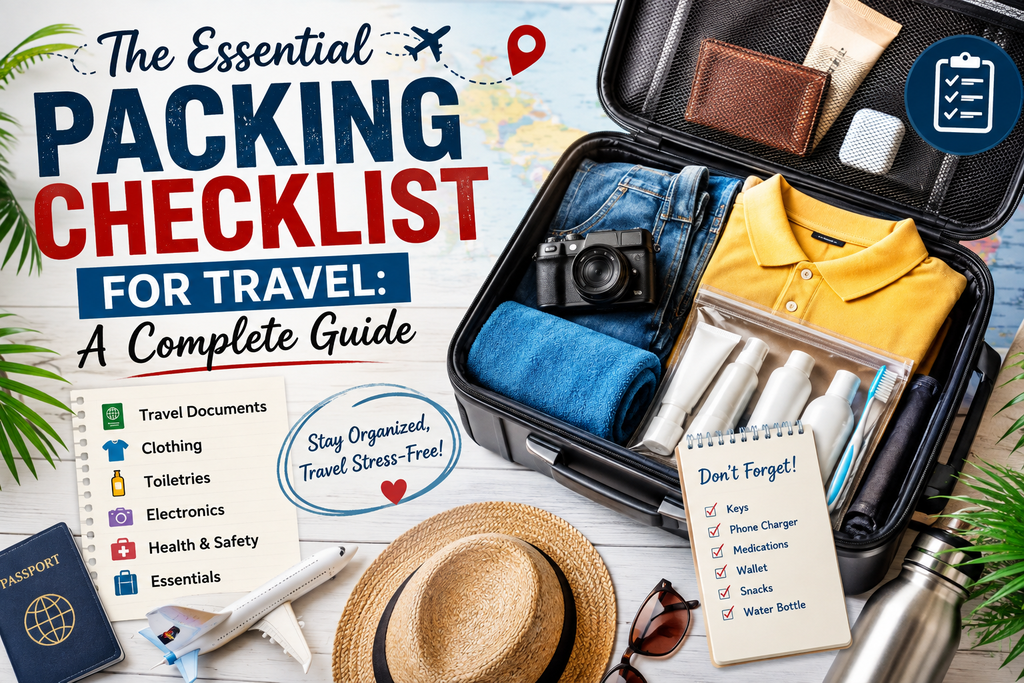
Packing for a trip should feel exciting, not stressful. Yet for most travelers, the days before departure are filled with last-minute scrambling, forgotten chargers, overstuffed suitcases, and the nagging fear that something important has been left behind. The truth is, packing well is a skill — and like any skill, it gets easier once you have a system. This guide walks through everything you need to think about before you zip up your bag, from documents and electronics to clothing strategy and the small items that make a trip run smoothly.
Whether you’re heading out for a weekend getaway, a two-week international adventure, or a business trip that requires you to look sharp the moment you land, the categories below will help you build a packing list that actually works for your life.
Why a Packing System Matters
Most packing mistakes come from one of two extremes: overpacking out of anxiety, or underpacking out of overconfidence. A good system solves both problems by forcing you to think in categories rather than randomly tossing items into a suitcase. When you pack by category — documents, electronics, clothing, toiletries, health, and extras — you’re far less likely to forget something critical, and you naturally avoid bringing five versions of the same item “just in case.”
The other benefit of a system is speed. Once you’ve built your personal checklist, future trips become dramatically faster to prepare for. You’re not reinventing the process every time; you’re just adjusting quantities and swapping seasonal items.
1. Travel Documents and Essential Paperwork
Nothing derails a trip faster than a missing document, so this category deserves to be handled first and double-checked last.
- Passport (check the expiration date — many countries require at least six months of validity remaining)
- Visa documents, if required for your destination
- Government-issued ID or driver’s license
- Printed and digital copies of flight, hotel, and rental car confirmations
- Travel insurance policy number and emergency contact information
- International driving permit, if you plan to drive abroad
- Vaccination records or health certificates, if applicable
- Copies of important documents stored separately from the originals (a photo on your phone, an email to yourself, or a cloud folder)
- Local currency or a travel card, plus a backup payment method
- Emergency contact list, including your embassy’s contact information if traveling internationally
A smart habit is to photograph every important document before you leave home. If your wallet or passport is lost or stolen, having digital backups can save hours of stress at a foreign embassy or airport counter.
2. Electronics and Chargers
Modern travel runs on devices, and forgetting the right cable can be surprisingly disruptive.
- Phone and charger
- Laptop or tablet, if needed for work or entertainment
- Universal power adapter for international outlets
- Portable power bank
- Noise-canceling headphones
- Camera and extra memory cards, if you’re documenting the trip
- E-reader, if you prefer not to pack physical books
- Multi-port charging cable or a small charging hub to reduce cable clutter
Consider packing a slim cable organizer or a small pouch dedicated entirely to electronics. It keeps cords untangled and makes airport security checks faster since you can pull the whole pouch out at once.
3. Clothing Strategy
Clothing is where most overpacking happens, so approach it with intention rather than instinct.
Core principles for smart clothing packing:
- Choose a color palette that lets every item mix and match with every other item
- Pack for layering rather than bulk — thin layers adapt better to changing weather than one heavy item
- Roll clothes instead of folding to save space and reduce wrinkles
- Limit yourself to one “nice” outfit unless the trip specifically calls for more
- Choose fabrics that resist wrinkling and dry quickly if hand-washed
General clothing checklist:
- Weather-appropriate tops and bottoms (a good rule of thumb is one outfit per two days, then plan to rewash)
- Sleepwear
- Undergarments and socks, packed generously since these are easy to underestimate
- A versatile jacket or layer for temperature swings
- Comfortable walking shoes, broken in before the trip
- A second pair of shoes for a different purpose (dressier occasion, water activities, or workouts)
- Swimwear, if relevant to your destination
- A hat or sun protection, and a scarf or beanie for colder climates
- Belt, if needed for your outfits
The rewash-and-repeat approach is one of the biggest space savers experienced travelers use. Packing for a full two weeks without a plan to wash anything almost always leads to an overweight suitcase.
4. Toiletries and Personal Care
Toiletries are another category where discipline pays off, since liquids take up disproportionate space and weight.
- Toothbrush, toothpaste, and floss
- Deodorant
- Shampoo, conditioner, and body wash in travel-sized containers
- Skincare essentials, including sunscreen
- Hairbrush or comb, plus any styling tools you truly need
- Razor and shaving supplies
- Contact lenses and solution, or a spare pair of glasses
- Makeup, kept to a minimal travel set
- Feminine hygiene products
- Nail clippers and a small grooming kit
- A quick-dry travel towel, useful for destinations where towels aren’t provided
Transferring liquids into reusable travel bottles not only satisfies airline carry-on restrictions but also prevents the frustration of hauling full-sized bottles you’ll only use a fraction of.
5. Health and Safety Items
This category is easy to overlook until you actually need something from it — which is exactly why it deserves attention before departure.
- Prescription medications, packed in original labeled containers with enough supply for the full trip plus a few extra days
- A basic first-aid kit: bandages, antiseptic wipes, pain relievers, and motion sickness tablets
- Hand sanitizer and a small pack of tissues
- Insect repellent, particularly important in tropical or wooded destinations
- Any allergy medication you might need
- A written list of your medications and dosages, useful in case of a medical emergency abroad
- Face masks, if you prefer added protection in crowded transit spaces
If you’re traveling internationally, it’s worth researching whether your prescriptions are legal and available at your destination, since regulations vary significantly between countries.
6. Practical Extras That Make a Trip Easier
These are the small items that don’t seem essential until you’re wishing you had packed them.
- A reusable water bottle
- A daypack or foldable tote for daily excursions
- Ziplock bags or packing cubes to organize and separate items
- A travel pillow and eye mask for long flights
- Earplugs
- A small padlock for luggage or lockers
- Laundry detergent sheets or a small travel laundry kit
- Snacks for transit days
- A notebook or journal, if you like documenting your trip offline
- Reusable shopping bag, useful for markets or last-minute purchases
7. Destination-Specific Considerations
No universal checklist can account for every destination, so it’s worth spending ten minutes researching your specific trip before you finalize your bag.
- Beach or tropical destinations: prioritize sun protection, breathable fabrics, and water shoes
- Cold climates: invest in proper thermal layers, waterproof boots, and hand warmers
- Business trips: bring wrinkle-resistant professional attire and a portable steamer or wrinkle-release spray
- Adventure or outdoor trips: pack moisture-wicking clothing, a reliable backpack, and any specialized gear your activities require
- Multi-country trips: research plug types and voltage differences for each country on your itinerary
8. Packing Techniques That Save Space and Stress
Beyond the checklist itself, how you pack matters just as much as what you pack.
- Use packing cubes to compress clothing and keep categories visibly separated
- Place heavier items near the wheels or bottom of your suitcase for better balance
- Fill shoes with socks or small items to use every inch of space
- Keep a small pouch of “first-needed” items — chargers, medication, a change of clothes — in your carry-on in case checked luggage is delayed
- Leave a small amount of empty space for souvenirs or items you might pick up along the way
- Weigh your bag before leaving home if you’re unsure about airline weight limits
9. A Final Pre-Departure Check
Before you leave your house, run through this last sweep:
- Confirm your documents, tickets, and ID are in your carry-on, not checked luggage
- Double-check chargers and adapters are packed, not still plugged into the wall
- Set your home thermostat, lock windows, and arrange for mail or plant care if needed
- Notify your bank of travel dates to avoid card blocks
- Download offline maps, translation apps, or entertainment for the flight
- Share your itinerary with a family member or friend
Building Your Own Reusable Version
The most effective packing checklist isn’t one you read once — it’s one you keep and reuse. Consider saving this list in your notes app or printing it out, then checking items off before every trip. Over time, you’ll notice which items you never use and quietly retire them, and which ones you always wish you’d packed. That personal refinement is what separates a generic checklist from a system that actually works for your travel style.
Packing well isn’t about bringing less for the sake of minimalism, nor is it about bringing everything just in case. It’s about being deliberate — matching what you carry to what your trip actually requires. With a structured approach like the one above, you’ll spend less time worrying about your suitcase and more time enjoying wherever you’re headed.
Here are 5 quick FAQs to pair with the checklist:
1. How many outfits should I actually pack? Plan for about one outfit per two to three days, then plan to rewash. For a two-week trip, that’s roughly 5–6 outfits, not 14.
2. Should I pack medications in checked or carry-on luggage? Always carry-on. Checked bags can be delayed or lost, and you don’t want to be without essential medication.
3. What’s the best way to save space in my suitcase? Roll clothes instead of folding, use packing cubes to compress items, and fill shoes with socks or small accessories.
4. Do I need a universal power adapter for every trip? Only for international travel where plug types or voltage differ from home — check your specific destination beforehand, since requirements vary by country.
5. What should go in my carry-on besides documents? A change of clothes, chargers, medication, and any valuables — so you’re covered for at least a day if checked luggage is delayed.