
Skip to content
-
Subscribe to our newsletter & never miss our best posts. Subscribe Now!
News reflects News Reflects

Breaking News

News reflects News Reflects

Breaking News

  • World News
  • Bangladesh
  • USA
  • Politics
  • Sports
  • Technology
  • Health
  • Entertainment
  • Travel
  • About
    • Contact
    • Home
    • Disclaimer
    • Terms and Conditions
    • Privacy Policy
  • World News
  • Bangladesh
  • USA
  • Politics
  • Sports
  • Technology
  • Health
  • Entertainment
  • Travel
  • About
    • Contact
    • Home
    • Disclaimer
    • Terms and Conditions
    • Privacy Policy
Close

Search

  • https://www.facebook.com/
  • https://twitter.com/
  • https://t.me/
  • https://www.instagram.com/
  • https://youtube.com/
Add Button Text
  • News Reflects
  • About
  • World News
  • USA
  • Bangladesh
  • Politics
  • Entertainment
  • Technology
  • Health
  • Travel
  • Sports
  • Home
  • Disclaimer
  • Terms and Conditions
  • Privacy Policy
Subscribe
Stress Management Tips: A Practical Guide to a Calmer and Healthier Life Stress is a normal part of everyday life. Work responsibilities, financial concerns, family matters, academic pressure, relationship problems, health worries, and an endless stream of information can all make us feel overwhelmed. A certain amount of stress can actually help us stay alert and motivated. However, when stress becomes frequent, intense, or difficult to control, it can affect our physical health, emotional well-being, productivity, sleep, and relationships. The good news is that stress can often be managed through simple, consistent lifestyle changes. You do not always need a complicated solution. Small habits—such as getting enough sleep, exercising regularly, organizing your responsibilities, taking short breaks, practicing relaxation techniques, and talking to someone you trust—can make a meaningful difference. This guide explores practical stress management tips that can help you understand stress, recognize its warning signs, and build healthier ways to cope with everyday challenges. What Is Stress? Stress is the body's natural response to a demanding or challenging situation. When your brain perceives a threat or pressure, your body can enter a state of heightened alertness. Hormones such as adrenaline and cortisol help prepare you to respond. This response can be useful in certain situations. For example, a little stress before an examination may encourage you to study, while pressure before an important presentation may help you concentrate. The problem usually begins when stress becomes constant. If your body and mind remain in a heightened state for long periods, you may experience tiredness, irritability, difficulty concentrating, poor sleep, headaches, muscle tension, or changes in appetite. Learning to manage stress does not mean eliminating every stressful situation. Instead, it means developing healthier ways to respond when challenges appear. Common Signs of Stress Stress can affect people differently. Some individuals notice physical symptoms first, while others experience emotional or behavioral changes. Common signs include: Feeling constantly worried or overwhelmed Irritability or anger Difficulty concentrating Trouble falling asleep or staying asleep Feeling tired even after resting Headaches or muscle tension Changes in appetite Avoiding people or activities Reduced motivation Racing thoughts Difficulty making decisions Increased reliance on unhealthy coping habits Recognizing these signs early can help you take action before stress becomes more difficult to manage. 1. Identify Your Main Sources of Stress One of the first steps in managing stress is understanding where it comes from. Spend a few minutes thinking about the situations that repeatedly make you feel pressured. Your stress may be related to work, money, relationships, studies, family responsibilities, social media, lack of sleep, or an overloaded schedule. Consider keeping a simple stress journal. Write down: What happened? How did you feel? What thoughts went through your mind? How did you respond? What could you do differently next time? You may begin to notice patterns. Once you know your common triggers, it becomes easier to develop specific solutions. 2. Create a Realistic Daily Schedule An overloaded schedule can make even simple tasks feel overwhelming. Instead of trying to complete everything at once, organize your day into manageable sections. Write down the most important tasks and focus on them one at a time. A simple daily system could include: Choose three important tasks. Break large tasks into smaller steps. Estimate how much time each task requires. Include short breaks. Leave some flexible time for unexpected responsibilities. Avoid filling every minute of your day. A realistic schedule should give you room to breathe. 3. Practice Deep Breathing Deep breathing is a simple relaxation technique that can be practiced almost anywhere. When you feel stressed, slow your breathing and focus your attention on each breath. For example, breathe in gently, pause briefly, and then breathe out slowly. The goal is not to perform a perfect breathing exercise. The goal is to interrupt the cycle of racing thoughts and give yourself a moment to slow down. Even a few minutes of quiet breathing may help you feel more composed. 4. Exercise Regularly Physical activity is one of the most useful habits for supporting overall well-being. You do not necessarily need an expensive gym membership or an intense workout routine. Walking, cycling, swimming, stretching, dancing, jogging, or playing a sport can all provide opportunities to move your body. Regular physical activity can help improve mood, support better sleep, and provide a healthy break from stressful thoughts. If you have been inactive, start gradually. A short daily walk may be more sustainable than beginning with an extremely demanding workout plan. 5. Get Enough Quality Sleep Stress and poor sleep can create a difficult cycle. Stress can make it harder to sleep, while insufficient sleep can make everyday problems feel more difficult. Try to establish a consistent sleep routine. Helpful habits include: Going to bed and waking up at similar times Creating a relaxing bedtime routine Limiting stimulating activities before bed Keeping your bedroom comfortable and quiet Avoiding excessive caffeine late in the day Giving yourself enough time to rest If sleep problems continue for a long time or seriously affect daily life, consider discussing them with a qualified healthcare professional. 6. Take Regular Breaks Working continuously does not necessarily mean working efficiently. When you spend hours concentrating without a break, mental fatigue can build up. Short breaks can give your mind an opportunity to reset. During a break, consider: Standing up and stretching Walking around Drinking water Looking away from the screen Taking a few slow breaths Listening to calming music Talking briefly with someone A break should ideally help you recover rather than simply replacing one stressful activity with another. 7. Reduce Unnecessary Screen Time Phones, social media, news feeds, emails, and constant notifications can keep your mind busy throughout the day. You may not realize how much mental energy is consumed by repeatedly checking messages or scrolling through content. Try creating specific periods when you disconnect from unnecessary notifications. For example, you might: Turn off nonessential notifications Avoid checking your phone immediately after waking Take screen-free breaks Stop scrolling shortly before bedtime Set specific times to check email and social media You do not need to completely avoid technology. The goal is to use it intentionally instead of allowing it to constantly interrupt your attention. 8. Eat a Balanced Diet and Stay Hydrated When people are stressed, they may skip meals, overeat, or rely heavily on highly processed foods and caffeinated beverages. A balanced diet supports overall health and can help you maintain steady energy throughout the day. Try to include a variety of: Vegetables Fruits Whole grains Protein-rich foods Healthy sources of fat Adequate fluids There is no single food that eliminates stress. Instead, focus on consistent, balanced eating habits. 9. Learn to Say “No” Taking on too many responsibilities can quickly lead to burnout. Many people agree to requests because they are afraid of disappointing others. However, constantly saying yes can leave you with little time for your own priorities. Learning to politely say no is an important stress management skill. You can say something simple such as: “I appreciate you asking, but I don't have enough time to take this on right now.” Setting reasonable boundaries does not mean you do not care about others. It means you recognize your own limits. 10. Break Large Problems Into Smaller Steps A major source of stress is feeling that a problem is too large to solve. Instead of focusing on the entire problem, identify the next action you can realistically take. For example, if you have a large project, do not think only about finishing the entire project. Break it into smaller steps: Research the topic Create an outline Complete the first section Review the work Make corrections Finish the final version Small accomplishments can create a sense of progress and make difficult tasks feel more manageable. 11. Practice Mindfulness Mindfulness means paying attention to the present moment rather than constantly worrying about the past or future. You can practice mindfulness while sitting quietly, walking, eating, or doing everyday activities. Try noticing: What you can see What you can hear What you can feel Your breathing Your surroundings When your mind wanders, gently return your attention to the present. You do not have to meditate for an hour. Starting with a few quiet minutes may be enough to develop the habit. 12. Spend Time With Supportive People Social connection can be an important part of stress management. When you are struggling, talking to a trusted friend, family member, teacher, colleague, or other supportive person can make problems feel less overwhelming. You do not always need someone to solve your problem. Sometimes simply being heard can be helpful. Make time for healthy relationships rather than isolating yourself whenever stress becomes difficult. 13. Make Time for Hobbies Life should not consist entirely of work and responsibilities. Hobbies can provide a healthy mental break and give you something enjoyable to look forward to. Consider activities such as: Reading Gardening Cooking Drawing Photography Listening to music Playing sports Traveling Watching a favorite movie Learning a new skill Choose activities that genuinely make you feel refreshed rather than activities you feel obligated to complete. 14. Challenge Negative Thinking Stress can sometimes make our thoughts more negative than the situation actually requires. For example, you might think: “I am going to fail everything.” Try replacing extreme thinking with a more realistic statement: “This situation is difficult, but I can handle it one step at a time.” This does not mean pretending that problems do not exist. Instead, it means avoiding unnecessary catastrophic thinking. Ask yourself: Is this thought based on facts? Am I assuming the worst? What would I tell a friend in the same situation? What is one thing I can control right now? These questions can help create a more balanced perspective. 15. Focus on What You Can Control One of the most exhausting parts of stress is worrying about things you cannot change. You cannot control every person's behavior, every outcome, or every unexpected event. Try dividing your concerns into two categories: Things I can control: My actions, preparation, schedule, communication, habits, and responses. Things I cannot control: Other people's opinions, unexpected events, the past, and many external circumstances. Spend more energy on the first category. 16. Avoid Unhealthy Coping Methods When stress becomes intense, people may look for quick ways to escape it. Some coping habits can create additional problems rather than solving the original issue. Examples include excessive alcohol use, smoking, recreational drug use, overeating, extreme isolation, or spending excessive amounts of time online. A healthier approach is to replace harmful coping behaviors with constructive alternatives such as exercise, relaxation, social connection, hobbies, journaling, or professional support. 17. Practice Time Management Poor time management can make ordinary responsibilities feel like emergencies. Try using simple techniques such as: Making a priority list Setting deadlines Using reminders Grouping similar tasks Limiting unnecessary multitasking Starting difficult tasks earlier Breaking projects into smaller stages Remember that being busy is not the same as being productive. 18. Give Yourself Permission to Rest Rest is not laziness. Your body and mind need recovery time. If you constantly push yourself without adequate rest, your ability to concentrate and manage challenges may suffer. Schedule rest just as you schedule important responsibilities. Even a quiet evening, a walk outside, or time spent doing nothing productive can be valuable. 19. Keep a Gratitude Practice Gratitude does not eliminate problems, but it can encourage you to notice positive aspects of life that may otherwise be overlooked. At the end of the day, write down two or three things you appreciate. They do not have to be major achievements. You might be grateful for: A supportive conversation A good meal A peaceful morning Completing an important task Time with family A beautiful sunset The purpose is to develop a habit of recognizing positive experiences alongside difficulties. 20. Know When to Seek Professional Help Sometimes stress becomes too difficult to manage alone. Consider speaking with a qualified mental health professional or healthcare provider if stress is persistent, significantly interfering with daily life, causing severe sleep problems, or accompanied by overwhelming emotional distress. Seeking professional support is not a sign of weakness. It is a practical step toward taking care of yourself. If you ever feel that you may hurt yourself or someone else, seek immediate help from local emergency services or a crisis service in your country. A Simple Stress Management Routine You do not need to adopt all these habits at once. Start with a few manageable changes. Morning Wake up at a consistent time. Drink some water. Spend a few minutes stretching or walking. Identify your three most important tasks. During the Day Work on one task at a time when possible. Take short breaks. Eat regular balanced meals. Move your body. Limit unnecessary notifications. Evening Finish essential responsibilities. Spend some time on a relaxing activity. Reduce stimulating screen use before bed. Reflect on what went well. Prepare for tomorrow without overloading your schedule. Before Sleep Take a few minutes to slow down. Practice gentle breathing, read something relaxing, or simply sit quietly. Consistency matters more than perfection. Final Thoughts Stress is an unavoidable part of modern life, but feeling stressed does not mean you have to remain overwhelmed. Effective stress management is usually built from small, repeatable habits rather than one magical solution. Start by identifying your biggest stress triggers. Then make realistic changes: move your body regularly, prioritize sleep, organize your responsibilities, take breaks, maintain supportive relationships, practice relaxation, and give yourself time to rest. Most importantly, be patient with yourself. Healthy stress management is a process. Some days will be easier than others, and that is normal. The goal is not to create a completely stress-free life. The goal is to develop the skills and habits that help you respond to challenges with greater balance, resilience, and calm. Frequently Asked Questions 1. What is the best way to manage stress? There is no single best method for everyone. Regular exercise, sufficient sleep, relaxation techniques, good time management, social support, and healthy daily routines can all help. 2. Can exercise reduce stress? Yes. Regular physical activity can support mood, improve overall well-being, and provide a healthy way to release tension. 3. How can I reduce stress quickly? Try stepping away from the stressful situation for a few minutes, taking slow breaths, stretching, walking, drinking water, or talking with someone you trust. 4. Does lack of sleep increase stress? Poor or insufficient sleep can make it harder to cope with everyday challenges and may contribute to feeling more irritable, tired, or overwhelmed. 5. When should I seek professional help for stress? If stress persists, seriously affects your daily life, disrupts sleep, or becomes difficult to manage on your own, consider speaking with a qualified healthcare or mental health professional.
Health

Stress Management Tips: A Practical Guide to a Calmer and Healthier Life
September 1, 2026 10 Min Read
0
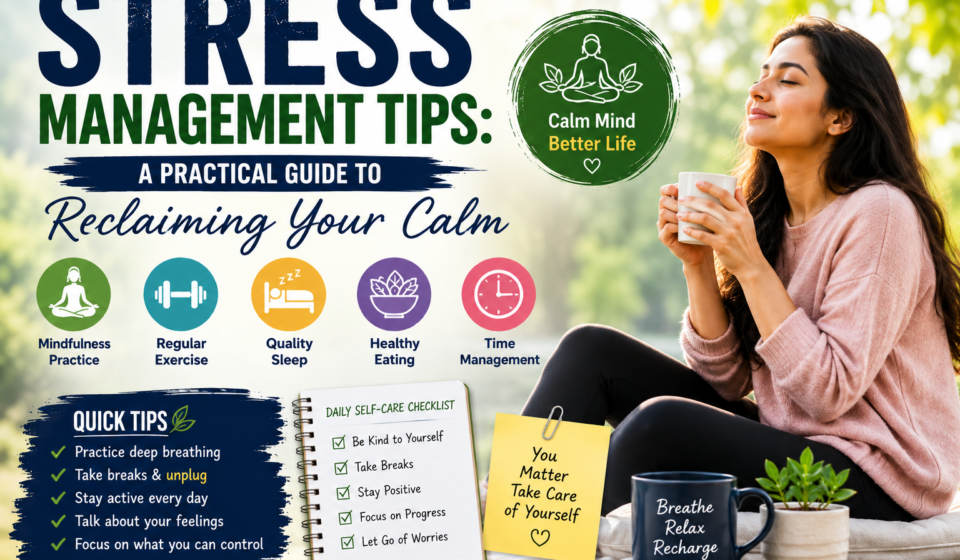
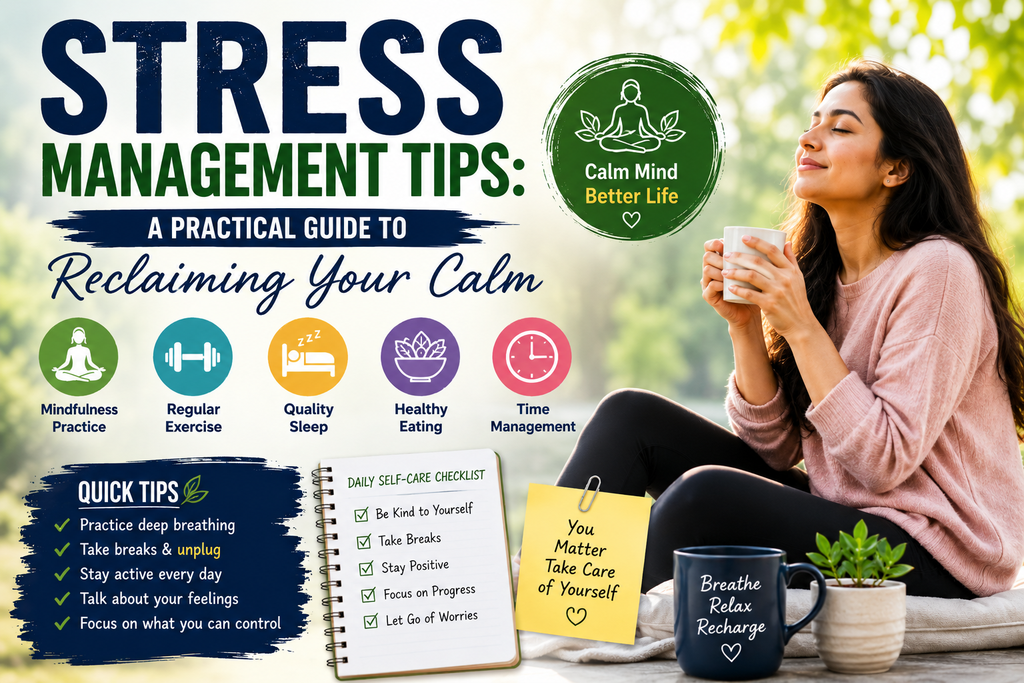
Stress Management Tips
Stress Management Tips(Image collceted)

Stress is a normal part of everyday life. Work responsibilities, financial concerns, family matters, academic pressure, relationship problems, health worries, and an endless stream of information can all make us feel overwhelmed. A certain amount of stress can actually help us stay alert and motivated. However, when stress becomes frequent, intense, or difficult to control, it can affect our physical health, emotional well-being, productivity, sleep, and relationships.

The good news is that stress can often be managed through simple, consistent lifestyle changes. You do not always need a complicated solution. Small habits—such as getting enough sleep, exercising regularly, organizing your responsibilities, taking short breaks, practicing relaxation techniques, and talking to someone you trust—can make a meaningful difference.

This guide explores practical stress management tips that can help you understand stress, recognize its warning signs, and build healthier ways to cope with everyday challenges.

What Is Stress?

Stress is the body’s natural response to a demanding or challenging situation. When your brain perceives a threat or pressure, your body can enter a state of heightened alertness. Hormones such as adrenaline and cortisol help prepare you to respond.

This response can be useful in certain situations. For example, a little stress before an examination may encourage you to study, while pressure before an important presentation may help you concentrate.

The problem usually begins when stress becomes constant.

If your body and mind remain in a heightened state for long periods, you may experience tiredness, irritability, difficulty concentrating, poor sleep, headaches, muscle tension, or changes in appetite.

Learning to manage stress does not mean eliminating every stressful situation. Instead, it means developing healthier ways to respond when challenges appear.

Common Signs of Stress

Stress can affect people differently. Some individuals notice physical symptoms first, while others experience emotional or behavioral changes.

Common signs include:

  • Feeling constantly worried or overwhelmed
  • Irritability or anger
  • Difficulty concentrating
  • Trouble falling asleep or staying asleep
  • Feeling tired even after resting
  • Headaches or muscle tension
  • Changes in appetite
  • Avoiding people or activities
  • Reduced motivation
  • Racing thoughts
  • Difficulty making decisions
  • Increased reliance on unhealthy coping habits

Recognizing these signs early can help you take action before stress becomes more difficult to manage.

1. Identify Your Main Sources of Stress

One of the first steps in managing stress is understanding where it comes from.

Spend a few minutes thinking about the situations that repeatedly make you feel pressured. Your stress may be related to work, money, relationships, studies, family responsibilities, social media, lack of sleep, or an overloaded schedule.

Consider keeping a simple stress journal. Write down:

  • What happened?
  • How did you feel?
  • What thoughts went through your mind?
  • How did you respond?
  • What could you do differently next time?

You may begin to notice patterns. Once you know your common triggers, it becomes easier to develop specific solutions.

2. Create a Realistic Daily Schedule

An overloaded schedule can make even simple tasks feel overwhelming.

Instead of trying to complete everything at once, organize your day into manageable sections. Write down the most important tasks and focus on them one at a time.

A simple daily system could include:

  1. Choose three important tasks.
  2. Break large tasks into smaller steps.
  3. Estimate how much time each task requires.
  4. Include short breaks.
  5. Leave some flexible time for unexpected responsibilities.

Avoid filling every minute of your day. A realistic schedule should give you room to breathe.

3. Practice Deep Breathing

Deep breathing is a simple relaxation technique that can be practiced almost anywhere.

When you feel stressed, slow your breathing and focus your attention on each breath. For example, breathe in gently, pause briefly, and then breathe out slowly.

The goal is not to perform a perfect breathing exercise. The goal is to interrupt the cycle of racing thoughts and give yourself a moment to slow down.

Even a few minutes of quiet breathing may help you feel more composed.

4. Exercise Regularly

Physical activity is one of the most useful habits for supporting overall well-being.

You do not necessarily need an expensive gym membership or an intense workout routine. Walking, cycling, swimming, stretching, dancing, jogging, or playing a sport can all provide opportunities to move your body.

Regular physical activity can help improve mood, support better sleep, and provide a healthy break from stressful thoughts.

If you have been inactive, start gradually. A short daily walk may be more sustainable than beginning with an extremely demanding workout plan.

5. Get Enough Quality Sleep

Stress and poor sleep can create a difficult cycle. Stress can make it harder to sleep, while insufficient sleep can make everyday problems feel more difficult.

Try to establish a consistent sleep routine.

Helpful habits include:

  • Going to bed and waking up at similar times
  • Creating a relaxing bedtime routine
  • Limiting stimulating activities before bed
  • Keeping your bedroom comfortable and quiet
  • Avoiding excessive caffeine late in the day
  • Giving yourself enough time to rest

If sleep problems continue for a long time or seriously affect daily life, consider discussing them with a qualified healthcare professional.

6. Take Regular Breaks

Working continuously does not necessarily mean working efficiently.

When you spend hours concentrating without a break, mental fatigue can build up. Short breaks can give your mind an opportunity to reset.

During a break, consider:

  • Standing up and stretching
  • Walking around
  • Drinking water
  • Looking away from the screen
  • Taking a few slow breaths
  • Listening to calming music
  • Talking briefly with someone

A break should ideally help you recover rather than simply replacing one stressful activity with another.

7. Reduce Unnecessary Screen Time

Phones, social media, news feeds, emails, and constant notifications can keep your mind busy throughout the day.

You may not realize how much mental energy is consumed by repeatedly checking messages or scrolling through content.

Try creating specific periods when you disconnect from unnecessary notifications.

For example, you might:

  • Turn off nonessential notifications
  • Avoid checking your phone immediately after waking
  • Take screen-free breaks
  • Stop scrolling shortly before bedtime
  • Set specific times to check email and social media

You do not need to completely avoid technology. The goal is to use it intentionally instead of allowing it to constantly interrupt your attention.

8. Eat a Balanced Diet and Stay Hydrated

When people are stressed, they may skip meals, overeat, or rely heavily on highly processed foods and caffeinated beverages.

A balanced diet supports overall health and can help you maintain steady energy throughout the day.

Try to include a variety of:

  • Vegetables
  • Fruits
  • Whole grains
  • Protein-rich foods
  • Healthy sources of fat
  • Adequate fluids

There is no single food that eliminates stress. Instead, focus on consistent, balanced eating habits.

9. Learn to Say “No”

Taking on too many responsibilities can quickly lead to burnout.

Many people agree to requests because they are afraid of disappointing others. However, constantly saying yes can leave you with little time for your own priorities.

Learning to politely say no is an important stress management skill.

You can say something simple such as:

“I appreciate you asking, but I don’t have enough time to take this on right now.”

Setting reasonable boundaries does not mean you do not care about others. It means you recognize your own limits.

10. Break Large Problems Into Smaller Steps

A major source of stress is feeling that a problem is too large to solve.

Instead of focusing on the entire problem, identify the next action you can realistically take.

For example, if you have a large project, do not think only about finishing the entire project. Break it into smaller steps:

  • Research the topic
  • Create an outline
  • Complete the first section
  • Review the work
  • Make corrections
  • Finish the final version

Small accomplishments can create a sense of progress and make difficult tasks feel more manageable.

11. Practice Mindfulness

Mindfulness means paying attention to the present moment rather than constantly worrying about the past or future.

You can practice mindfulness while sitting quietly, walking, eating, or doing everyday activities.

Try noticing:

  • What you can see
  • What you can hear
  • What you can feel
  • Your breathing
  • Your surroundings

When your mind wanders, gently return your attention to the present.

You do not have to meditate for an hour. Starting with a few quiet minutes may be enough to develop the habit.

12. Spend Time With Supportive People

Social connection can be an important part of stress management.

When you are struggling, talking to a trusted friend, family member, teacher, colleague, or other supportive person can make problems feel less overwhelming.

You do not always need someone to solve your problem. Sometimes simply being heard can be helpful.

Make time for healthy relationships rather than isolating yourself whenever stress becomes difficult.

13. Make Time for Hobbies

Life should not consist entirely of work and responsibilities.

Hobbies can provide a healthy mental break and give you something enjoyable to look forward to.

Consider activities such as:

  • Reading
  • Gardening
  • Cooking
  • Drawing
  • Photography
  • Listening to music
  • Playing sports
  • Traveling
  • Watching a favorite movie
  • Learning a new skill

Choose activities that genuinely make you feel refreshed rather than activities you feel obligated to complete.

14. Challenge Negative Thinking

Stress can sometimes make our thoughts more negative than the situation actually requires.

For example, you might think:

“I am going to fail everything.”

Try replacing extreme thinking with a more realistic statement:

“This situation is difficult, but I can handle it one step at a time.”

This does not mean pretending that problems do not exist. Instead, it means avoiding unnecessary catastrophic thinking.

Ask yourself:

  • Is this thought based on facts?
  • Am I assuming the worst?
  • What would I tell a friend in the same situation?
  • What is one thing I can control right now?

These questions can help create a more balanced perspective.

15. Focus on What You Can Control

One of the most exhausting parts of stress is worrying about things you cannot change.

You cannot control every person’s behavior, every outcome, or every unexpected event.

Try dividing your concerns into two categories:

Things I can control:
My actions, preparation, schedule, communication, habits, and responses.

Things I cannot control:
Other people’s opinions, unexpected events, the past, and many external circumstances.

Spend more energy on the first category.

16. Avoid Unhealthy Coping Methods

When stress becomes intense, people may look for quick ways to escape it. Some coping habits can create additional problems rather than solving the original issue.

Examples include excessive alcohol use, smoking, recreational drug use, overeating, extreme isolation, or spending excessive amounts of time online.

A healthier approach is to replace harmful coping behaviors with constructive alternatives such as exercise, relaxation, social connection, hobbies, journaling, or professional support.

17. Practice Time Management

Poor time management can make ordinary responsibilities feel like emergencies.

Try using simple techniques such as:

  • Making a priority list
  • Setting deadlines
  • Using reminders
  • Grouping similar tasks
  • Limiting unnecessary multitasking
  • Starting difficult tasks earlier
  • Breaking projects into smaller stages

Remember that being busy is not the same as being productive.

18. Give Yourself Permission to Rest

Rest is not laziness.

Your body and mind need recovery time. If you constantly push yourself without adequate rest, your ability to concentrate and manage challenges may suffer.

Schedule rest just as you schedule important responsibilities.

Even a quiet evening, a walk outside, or time spent doing nothing productive can be valuable.

19. Keep a Gratitude Practice

Gratitude does not eliminate problems, but it can encourage you to notice positive aspects of life that may otherwise be overlooked.

At the end of the day, write down two or three things you appreciate.

They do not have to be major achievements. You might be grateful for:

  • A supportive conversation
  • A good meal
  • A peaceful morning
  • Completing an important task
  • Time with family
  • A beautiful sunset

The purpose is to develop a habit of recognizing positive experiences alongside difficulties.

20. Know When to Seek Professional Help

Sometimes stress becomes too difficult to manage alone.

Consider speaking with a qualified mental health professional or healthcare provider if stress is persistent, significantly interfering with daily life, causing severe sleep problems, or accompanied by overwhelming emotional distress.

Seeking professional support is not a sign of weakness. It is a practical step toward taking care of yourself.

If you ever feel that you may hurt yourself or someone else, seek immediate help from local emergency services or a crisis service in your country.

A Simple Stress Management Routine

You do not need to adopt all these habits at once. Start with a few manageable changes.

Morning

  • Wake up at a consistent time.
  • Drink some water.
  • Spend a few minutes stretching or walking.
  • Identify your three most important tasks.

During the Day

  • Work on one task at a time when possible.
  • Take short breaks.
  • Eat regular balanced meals.
  • Move your body.
  • Limit unnecessary notifications.

Evening

  • Finish essential responsibilities.
  • Spend some time on a relaxing activity.
  • Reduce stimulating screen use before bed.
  • Reflect on what went well.
  • Prepare for tomorrow without overloading your schedule.

Before Sleep

Take a few minutes to slow down. Practice gentle breathing, read something relaxing, or simply sit quietly.

Consistency matters more than perfection.

Final Thoughts

Stress is an unavoidable part of modern life, but feeling stressed does not mean you have to remain overwhelmed. Effective stress management is usually built from small, repeatable habits rather than one magical solution.

Start by identifying your biggest stress triggers. Then make realistic changes: move your body regularly, prioritize sleep, organize your responsibilities, take breaks, maintain supportive relationships, practice relaxation, and give yourself time to rest.

Most importantly, be patient with yourself. Healthy stress management is a process. Some days will be easier than others, and that is normal.

The goal is not to create a completely stress-free life. The goal is to develop the skills and habits that help you respond to challenges with greater balance, resilience, and calm.

Frequently Asked Questions

1. What is the best way to manage stress?

There is no single best method for everyone. Regular exercise, sufficient sleep, relaxation techniques, good time management, social support, and healthy daily routines can all help.

2. Can exercise reduce stress?

Yes. Regular physical activity can support mood, improve overall well-being, and provide a healthy way to release tension.

3. How can I reduce stress quickly?

Try stepping away from the stressful situation for a few minutes, taking slow breaths, stretching, walking, drinking water, or talking with someone you trust.

4. Does lack of sleep increase stress?

Poor or insufficient sleep can make it harder to cope with everyday challenges and may contribute to feeling more irritable, tired, or overwhelmed.

5. When should I seek professional help for stress?

If stress persists, seriously affects your daily life, disrupts sleep, or becomes difficult to manage on your own, consider speaking with a qualified healthcare or mental health professional.

Post Views: 30

Tags:

healthHealth tipsStress Management Tips:trendingviral
Author

newsreflects.com

Breaking News !Treading News

Follow Me
Other Articles
The Essential Packing Checklist for Travel: A Complete Guide
Previous

The Essential Packing Checklist for Travel: A Complete Guide

POCO X8: The New Budget Phone That Promises More Than Two Days of Battery Life
Next

POCO X8: The New Budget Phone That Promises More Than Two Days of Battery Life

No Comment! Be the first one.

Leave a Reply Cancel reply

Your email address will not be published. Required fields are marked *

Recent Posts

  • Real Madrid Deliver a Night of Spectacular Goals as Mbappé Shines in 4-1 Victory Over Sevilla Ahead of El Clásico
  • PS6 RAM and Storage Costs Reportedly Exceed $680: What the Latest Leak Means for Sony’s Next-Generation Console
  • Bayern Munich President Backs Harry Kane for the Ballon d’Or: Why the Club Believes Its Striker Deserves Football’s Top Individual Prize
  • Tricolour March at Connaught Place: Abhijeet Dipke Says He May Be Arrested as Cockroach Janta Party Escalates Its Delhi Protests
  • Six Flags Over Georgia Roller Coaster Accident: One Dead and Several Injured as Authorities Investigate

Recent Comments

  1. Blooming Wonders & Perfect Weather: 5 Must-Visit US Places That Shine Brightest in May - News Reflects on Chaos at the Crescent City Skies: New Orleans Airport Paralyzed by Government Shutdown Fallout – Travelers Face Massive Delays and Cancellations
  2. newsreflects.com on The Feud Ends in a Blockbuster Twist: Novo Nordisk and Hims & Hers Bury the Hatchet to Bring Obesity Drugs to More Patients Together
  3. Isha on The Feud Ends in a Blockbuster Twist: Novo Nordisk and Hims & Hers Bury the Hatchet to Bring Obesity Drugs to More Patients Together

Archives

  • October 2026
  • September 2026
  • August 2026
  • June 2026
  • April 2026
  • March 2026
  • February 2026
  • November 2025

Categories

  • Bangladesh
  • Entertainment
  • Health
  • Politics
  • Sports
  • Technology
  • Travel
  • Uncategorized
  • USA
  • World News
  • Real Madrid Deliver a Night of Spectacular Goals as Mbappé Shines in 4-1 Victory Over Sevilla Ahead of El Clásico
  • PS6 RAM and Storage Costs Reportedly Exceed $680: What the Latest Leak Means for Sony’s Next-Generation Console
  • Bayern Munich President Backs Harry Kane for the Ballon d’Or: Why the Club Believes Its Striker Deserves Football’s Top Individual Prize
  • Tricolour March at Connaught Place: Abhijeet Dipke Says He May Be Arrested as Cockroach Janta Party Escalates Its Delhi Protests
  • Six Flags Over Georgia Roller Coaster Accident: One Dead and Several Injured as Authorities Investigate

  • Facebook
  • Instagram
  • Tumblr
  • Pinterest
  • YouTube

Footer

  • World News
  • Bangladesh
  • USA
  • Politics
  • Sports
  • Technology
  • Health
  • Entertainment
  • Travel
  • About
    • Contact
    • Home
    • Disclaimer
    • Terms and Conditions
    • Privacy Policy

Copyright 2026 — News Reflects. All rights reserved. Blogsy WordPress Theme

Powered by
Necessary cookies enable essential site features like secure log-ins and consent preference adjustments. They do not store personal data.
None
Functional cookies support features like content sharing on social media, collecting feedback, and enabling third-party tools.
None
Analytical cookies track visitor interactions, providing insights on metrics like visitor count, bounce rate, and traffic sources.
None
Advertisement cookies deliver personalized ads based on your previous visits and analyze the effectiveness of ad campaigns.
None
Unclassified cookies are cookies that we are in the process of classifying, together with the providers of individual cookies.
None
Powered by