
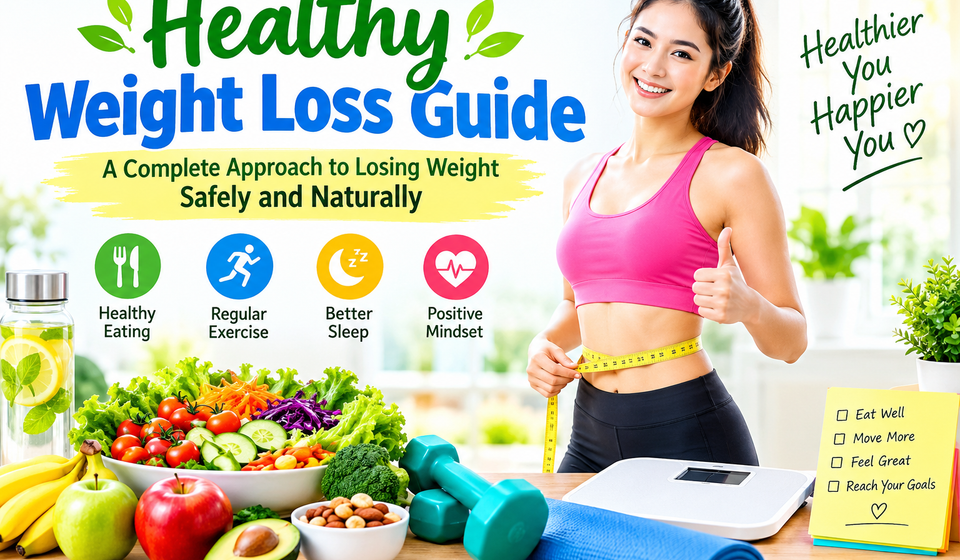
Healthy Weight Loss Guide: A Complete Approach to Losing Weight Safely and Naturally

Losing weight is one of the most common health and fitness goals around the world. However, healthy weight loss is not simply about eating less food or following a strict diet for a few weeks. Sustainable weight management involves creating realistic habits around nutrition, physical activity, sleep, stress management, and everyday lifestyle choices.
Many popular weight-loss programs promise dramatic results in a short period of time. Although rapid changes on the scale can sometimes happen, extreme dieting is often difficult to maintain and may encourage unhealthy eating patterns. A better approach is to focus on gradual progress and develop habits that you can continue for months and years.
This healthy weight loss guide explains practical ways to lose weight safely, improve your eating habits, become more active, and build a healthier relationship with food.
What Is Healthy Weight Loss?
Healthy weight loss generally means reducing excess body weight through sustainable lifestyle changes rather than extreme calorie restriction or unproven supplements.
Weight can fluctuate naturally because of water retention, food intake, hormones, digestion, and other factors. Therefore, one day’s number on the scale does not always represent your actual progress.
Instead of focusing only on the scale, consider other improvements such as:
- Better energy throughout the day
- Improved fitness
- More consistent sleep
- Better eating habits
- Increased strength
- Improved mobility
- Reduced reliance on highly processed foods
- Greater confidence in everyday activities
A healthy weight-loss strategy should also be appropriate for your individual circumstances. People with certain medical conditions, those taking medications, pregnant or breastfeeding women, teenagers, and people with a history of eating disorders may need individualized professional guidance.
Why Extreme Diets Often Fail
Crash diets can be attractive because they promise quick results. They may involve severely limiting calories, eliminating entire food groups, skipping meals, or relying heavily on special drinks and supplements.
The problem is that extreme approaches can be difficult to maintain. When a person returns to their previous eating habits, weight may return as well.
Another challenge is that severe restriction can make people feel constantly hungry and frustrated. This may increase the likelihood of overeating later.
Rather than asking, “How can I lose as much weight as possible this month?” consider asking:
“What healthy habits can I realistically maintain for the next year?”
That change in mindset can make weight management much more sustainable.
Build a Balanced Eating Pattern
Food plays a major role in weight management. However, healthy eating does not mean eliminating every food you enjoy.
A balanced eating pattern should provide adequate protein, fiber, healthy fats, vitamins, minerals, and other nutrients.
Try to build meals around a combination of:
- Vegetables
- Fruits
- Whole grains
- Beans and legumes
- Lean sources of protein
- Eggs, fish, poultry, or other protein-rich foods
- Nuts and seeds
- Healthy sources of fats
The exact combination can vary according to culture, budget, availability, and personal preferences.
Eat More Vegetables and Fruits
Vegetables and fruits can be valuable components of a weight-management diet because many are rich in fiber and water while providing relatively few calories compared with many highly processed foods.
Instead of making dramatic dietary changes overnight, gradually add more vegetables to familiar meals.
For example, you could:
- Add vegetables to eggs
- Include salad with lunch
- Add leafy greens to soups
- Eat fruit as a snack
- Add vegetables to rice or pasta dishes
- Keep washed fruit available for convenient snacks
The goal is to make healthier choices easier rather than relying entirely on willpower.
Prioritize Protein
Protein is an important nutrient for maintaining muscles and supporting normal body functions. Including protein in meals can also help meals feel more satisfying.
Depending on your dietary preferences, protein sources can include:
- Eggs
- Fish
- Chicken
- Lean meat
- Milk and yogurt
- Beans
- Lentils
- Chickpeas
- Tofu
- Nuts and seeds
Rather than building your diet around one “perfect” protein source, aim for variety.
Choose High-Fiber Foods
Fiber is found naturally in many plant foods and can contribute to a satisfying eating pattern.
Good sources include:
- Vegetables
- Fruits
- Beans
- Lentils
- Whole grains
- Oats
- Nuts
- Seeds
Increasing fiber gradually while drinking enough fluids can help your body adjust more comfortably.
For example, you might replace refined grains with whole-grain alternatives or add beans and vegetables to meals.
Pay Attention to Portion Sizes
Even nutritious foods can contribute substantial calories when eaten in very large portions. Portion awareness can therefore be useful.
You do not necessarily need to weigh every food you eat. Instead, learn to recognize reasonable portions and pay attention to hunger and fullness.
Helpful strategies include:
- Use smaller plates when appropriate
- Serve food rather than eating directly from large packages
- Eat slowly
- Avoid automatically taking second portions
- Pause before deciding whether you are still hungry
- Pay attention to how different meals affect your fullness
Portion control should not mean feeling deprived. It is about becoming more aware of how much you are eating.
Reduce Highly Processed Foods
Highly processed foods can be convenient and enjoyable, but many are easy to overconsume because they can be high in calories, added sugars, sodium, or unhealthy fats.
Examples can include:
- Sugary drinks
- Candy
- Cookies
- Cakes
- Some packaged snacks
- Fast food
- Fried foods
- Highly refined snack products
You do not necessarily have to eliminate these foods completely.
A sustainable approach is to make nutrient-rich foods the foundation of your diet while enjoying less nutritious foods occasionally and in reasonable portions.
Be Careful With Liquid Calories
Beverages can sometimes add a significant amount of energy without making you feel as full as solid foods.
Common examples include:
- Soft drinks
- Sweetened tea
- Sugary coffee drinks
- Energy drinks
- Some fruit drinks
- Sweetened beverages
Water is an excellent everyday choice. Unsweetened tea or coffee can also fit into many healthy eating patterns.
If you regularly consume sugary drinks, gradually reducing them can be an easier strategy than trying to change everything at once.
Stay Physically Active
Exercise is an important part of a healthy lifestyle. Physical activity can help support weight management while improving cardiovascular fitness, muscle strength, mobility, and overall well-being.
You do not have to begin with intense workouts.
Start with activities you can perform consistently, such as:
- Walking
- Cycling
- Swimming
- Dancing
- Hiking
- Household activities
- Recreational sports
- Strength exercises
The best exercise routine is often the one you actually enjoy and can continue doing.
Walking Can Be a Great Starting Point
Walking is accessible to many people and requires little equipment.
If you currently have a sedentary lifestyle, begin with short walks and gradually increase duration or frequency.
For example:
Week 1: Short walks several days a week
Week 2: Slightly longer walks
Week 3: Add another walking day
Week 4: Gradually increase pace or duration
You do not need to transform your fitness level overnight.
Add Strength Training
Strength training can complement aerobic activity by helping develop and maintain muscle strength.
Exercises may include:
- Squats
- Lunges
- Push-ups
- Rows
- Resistance-band exercises
- Bodyweight exercises
- Weight training
Beginners should start with manageable resistance and focus on proper technique.
If you have an injury, chronic health condition, or significant physical limitation, seek appropriate professional guidance before beginning a new exercise program.
Sleep and Weight Management
Sleep is often overlooked when people focus on weight loss.
Poor or insufficient sleep can affect energy, mood, food choices, and daily activity. When you are exhausted, it may become harder to exercise or prepare balanced meals.
Develop a consistent sleep routine by:
- Going to bed at a regular time
- Creating a relaxing evening routine
- Limiting unnecessary screen use before bed
- Keeping your bedroom comfortable
- Avoiding excessive caffeine late in the day
Healthy weight management is not only about food and exercise. Recovery matters too.
Manage Stress
Stress can influence eating behavior. Some people eat more when stressed, while others lose their appetite.
Emotional eating can become a challenge when food is regularly used as a way to manage difficult emotions.
Healthy stress-management strategies may include:
- Walking outdoors
- Meditation
- Deep breathing
- Reading
- Listening to music
- Talking with supportive people
- Practicing hobbies
- Spending time in nature
- Maintaining a regular sleep schedule
If stress, anxiety, depression, or emotional eating is seriously affecting daily life, professional support can be valuable.
Drink Enough Water
Water is essential for normal body functions and can be a useful alternative to calorie-containing beverages.
Some people also confuse thirst with hunger. Staying adequately hydrated can therefore support healthy daily routines, although drinking excessive amounts of water is not a weight-loss strategy.
Keep water accessible throughout the day and drink according to your body’s needs.
Create Realistic Goals
One of the biggest mistakes people make is setting unrealistic expectations.
Instead of focusing exclusively on a dramatic number on the scale, create smaller behavioral goals.
For example:
- Walk for 20 minutes several days a week
- Eat vegetables with lunch and dinner
- Drink water instead of sugary drinks
- Prepare more meals at home
- Eat breakfast consistently if it suits you
- Go to bed at a regular time
- Include protein in meals
Behavior-based goals are often easier to control than a specific scale number.
Track Your Progress Wisely
Tracking can help you understand patterns, but it should not become an obsession.
You might track:
- Body weight
- Waist measurement
- Exercise sessions
- Daily steps
- Meals
- Sleep
- Energy levels
Remember that body weight can fluctuate from day to day. Looking at longer-term trends can provide a more useful picture than reacting to every small change.
Avoid the “All or Nothing” Mindset
Healthy weight loss does not require perfection.
You may have days when you eat more than planned, skip a workout, attend a celebration, or choose a dessert.
That does not mean your entire plan has failed.
One meal does not determine your health, just as one workout does not transform your fitness.
If you have an unhealthy meal, simply return to your normal routine at the next opportunity.
Make Healthy Food Convenient
Environment can have a major influence on behavior.
If nutritious foods are easy to access, healthy choices can become simpler.
Consider keeping foods such as:
- Fresh fruit
- Yogurt
- Eggs
- Oats
- Vegetables
- Beans
- Lentils
- Nuts
- Whole grains
available at home.
At the same time, avoid keeping large quantities of foods you tend to overeat in easily accessible locations.
Eat Mindfully
Mindful eating means paying greater attention to the eating experience.
Instead of eating quickly while watching television or scrolling through your phone, try to focus on your meal.
Notice:
- Flavor
- Texture
- Smell
- Hunger
- Fullness
- Eating speed
Slowing down may make it easier to recognize when you have eaten enough.
Be Patient With Your Progress
Weight loss is rarely a perfectly straight line.
You may lose weight for a while, experience a period of little change, and then see progress again. Changes in water balance, food intake, physical activity, and other factors can affect the scale.
A temporary plateau does not necessarily mean your efforts are useless.
Review your habits calmly rather than immediately turning to a more extreme diet.
What About Weight-Loss Supplements?
Weight-loss supplements are widely marketed online and in stores. However, a product being advertised as “natural” does not automatically mean it is safe or effective.
Some supplements may have limited evidence, interact with medications, or contain ingredients that can cause unwanted effects.
Before taking a weight-loss supplement, consider discussing it with a qualified healthcare professional, especially if you take medications or have an existing health condition.
A sustainable diet and active lifestyle should generally form the foundation of weight management.
A Simple Healthy Weight-Loss Day
A healthy day does not have to look complicated.
Morning
Start the day with a nutritious meal that includes protein and fiber. For example, eggs with vegetables and whole-grain toast, or yogurt with fruit and oats.
Midday
Choose a balanced lunch containing vegetables, protein, and a source of whole grains or other carbohydrate-rich foods.
Afternoon
If hungry, choose a satisfying snack such as fruit, yogurt, nuts, or another nutrient-rich option.
Evening
Eat a balanced dinner and pay attention to portion sizes. Try to avoid eating simply because you are bored.
Activity
Include walking or another enjoyable physical activity during the day.
Night
Create a relaxing routine and aim for adequate, consistent sleep.
The exact foods and schedule can vary significantly from person to person.
A Sustainable 30-Day Approach
If you want to begin improving your lifestyle, consider making changes gradually.
Days 1–7: Focus on Awareness
Pay attention to what you eat and drink without judging yourself.
Notice where most of your calories come from and identify one or two habits you want to improve.
Days 8–14: Improve Meals
Increase vegetables, fruits, fiber-rich foods, and protein sources.
Reduce unnecessary sugary drinks and frequent highly processed snacks.
Days 15–21: Increase Movement
Add regular walking or another activity you enjoy.
If appropriate, introduce basic strength exercises.
Days 22–30: Improve Consistency
Focus on maintaining your new habits.
Do not try to become perfect. Instead, build a routine that feels realistic for your lifestyle.
When Should You Seek Professional Help?
Sometimes weight management requires more than general lifestyle advice.
Consider speaking with a healthcare professional or registered dietitian if:
- You have a medical condition affecting your weight
- You take medications that may affect body weight
- You experience unexplained weight changes
- You have a history of disordered eating
- You frequently binge eat
- You are unsure how to meet your nutritional needs
- Exercise causes significant pain or other concerning symptoms
Professional guidance can help create a plan based on your individual needs.
Final Thoughts
Healthy weight loss is not a race. The most effective approach is usually one that you can maintain over the long term.
Instead of searching for a miracle diet, focus on the fundamentals: eat a balanced diet, choose nutritious foods more often, manage portions, stay physically active, sleep well, manage stress, drink water, and develop realistic habits.
Remember that progress does not always appear immediately on the scale. Improved energy, fitness, strength, sleep, and eating habits are also meaningful signs of a healthier lifestyle.
The goal should not simply be to reach a particular number. The bigger goal is to build a lifestyle that supports your health and well-being for years to come.
Small improvements repeated consistently can become powerful changes over time.
5 Short FAQs About Healthy Weight Loss
1. What is the best way to lose weight healthily?
A balanced diet, regular physical activity, adequate sleep, stress management, and sustainable habits are the foundation of healthy weight management.
2. Can I lose weight without exercising?
It is possible for changes in food intake to affect body weight, but regular physical activity provides important benefits for fitness, health, and weight maintenance.
3. Should I completely avoid carbohydrates?
Not necessarily. Whole grains, fruits, vegetables, and legumes can provide valuable nutrients and fiber. The quality and overall amount of carbohydrates matter more than eliminating them entirely.
4. Is skipping meals a good weight-loss strategy?
Skipping meals is not necessary for healthy weight loss. Some people prefer structured eating patterns, but the best approach is one that supports adequate nutrition and is sustainable for you.
5. How quickly should I expect results?
Weight-loss progress varies between individuals. Focus on sustainable lifestyle changes rather than trying to achieve dramatic results as quickly as possible.
Visit OUR Website:
Website:
https://news-reflects.blogspot.com ❤️❤️
https://newsreflects.com ❤️❤️
https://songbadreflect.blogspot.com
https://newsforall13.blogspot.com
Visit SOCIAL Media
YouTube:
https://www.youtube.com/@WhisperedKingdoms-1981 ❤️❤️
https://www.youtube.com/@sonbadreflects1981 (Bangla Language)
https://www.youtube.com/@newsreflects1981
Facebook:
https://www.facebook.com/whisperedkingdoms 🌹
https://www.facebook.com/songbadreflect
https://www.facebook.com/newsreflects/ ❤️❤
https://www.facebook.com/newsreflects
https://www.facebook.com/ishadealsbd/
Pinterest:
https://www.pinterest.com/ishatravelnews
https://www.pinterest.com/sultanaisha86/