The Mysterious Rise of Mojtaba Khamenei: From Shadows of Power to Iran’s New Supreme Leader Amid War and Turmoil
(Image collected)
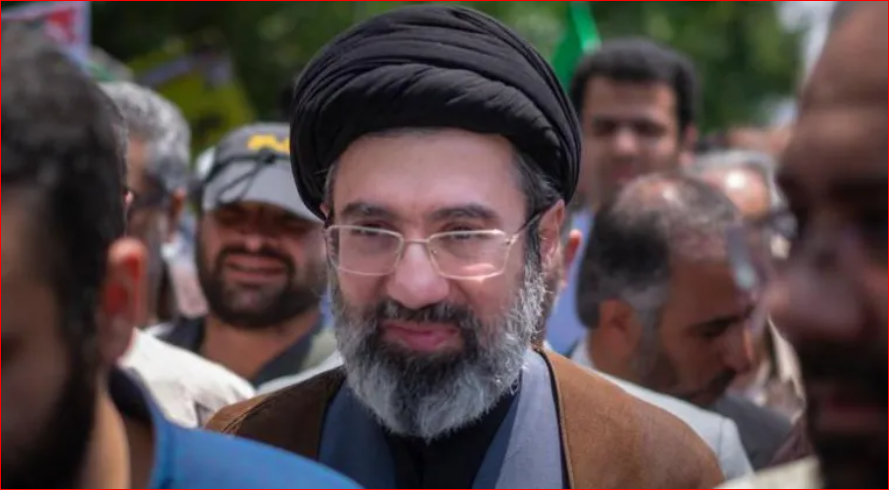
In a dramatic turn that has sent shockwaves through the Middle East and beyond, Mojtaba Khamenei, the 56-year-old second son of the late Ayatollah Ali Khamenei, has been named Iran’s third Supreme Leader. This announcement, made on March 8, 2026, by the Assembly of Experts and broadcast through state media, comes mere days after the assassination of his father in a devastating joint U.S.-Israeli airstrike on February 28, 2026. The strike, part of a broader military campaign dubbed “Operation Epic Fury” by some reports, targeted key Iranian installations, including the Supreme Leader’s compound in Tehran, killing Ayatollah Ali Khamenei along with family members and top officials. The regime’s swift elevation of Mojtaba signals a defiant bid for continuity in the face of existential threats, but it also raises profound questions about the future of the Islamic Republic.
Mojtaba Hosseini Khamenei was born in 1969, the second son in a family that has dominated Iranian politics for decades. His father, Ali Khamenei, rose to the pinnacle of power in 1989 following the death of Ayatollah Ruhollah Khomeini, the founder of the Islamic Revolution. For over three decades, Ali Khamenei wielded near-absolute authority as Supreme Leader, overseeing Iran’s theocratic system, commanding its armed forces, and shaping its confrontational foreign policy against the United States and Israel. Mojtaba, however, remained an enigmatic figure, deliberately kept out of the public eye. Unlike his father, who was a prominent cleric and public speaker, Mojtaba has rarely appeared in media or delivered major addresses. He holds the title of ayatollah, having completed advanced religious studies, and has taught classes in Shiite seminaries in Qom, where he built a reputation among clerical circles.
Behind the scenes, Mojtaba’s influence grew steadily. He operated from within his father’s office, coordinating sensitive military and intelligence operations. His closest alliances were with the Islamic Revolutionary Guard Corps (IRGC), the powerful paramilitary force that controls vast economic empires, missile programs, and proxy networks across the region. The IRGC, long a pillar of hardline support for the Khamenei family, reportedly played a decisive role in pushing for Mojtaba’s selection. Experts note that his ties to this institution give him a strong power base to consolidate control quickly in a time of crisis.
The succession process unfolded against the backdrop of unprecedented chaos. Ayatollah Ali Khamenei’s death marked the first time a Supreme Leader was killed in office through external military action. Initial reports from Iranian officials denied the loss, but state media eventually confirmed his “martyrdom” and declared 40 days of national mourning. The Assembly of Experts, an 88-member clerical body tasked with selecting the Supreme Leader, convened urgently amid ongoing U.S.-Israeli bombardments that targeted oil depots, nuclear sites, and military command centers. Some clerics reportedly expressed reservations about naming Mojtaba so soon, fearing it would paint a target on his back for further strikes. Yet, under pressure from the IRGC and in a show of unity against “the enemy,” the assembly reached consensus. As one expert quoted in reports put it, Mojtaba’s selection represents “continuity with his father” and positions someone “more ready than other candidates to quickly consolidate power and assert control over the system.”
This choice is laden with symbolism and controversy. The Islamic Republic was founded in 1979 on the rejection of monarchy and hereditary rule, yet Mojtaba’s ascension introduces an element of dynastic succession reminiscent of the overthrown Pahlavi Shah. Critics inside and outside Iran have long warned against this possibility, arguing it undermines the revolutionary ideals. Mojtaba himself has never publicly addressed succession, a taboo topic in Iranian politics. His low profile has fueled speculation: Is he a hardliner like his father, committed to resisting Western pressure and supporting groups like Hezbollah and Hamas? Or could he, under the weight of war, pursue pragmatic shifts?
At 56, Mojtaba is significantly younger than his father was when he assumed power (Ali was 50 in 1989). This youth could allow for a longer tenure, potentially stabilizing the regime or entrenching its confrontational stance for decades. As Supreme Leader, he now holds ultimate authority over Iran’s religious direction, political appointments, judiciary, and military—including command of the armed forces and nuclear decision-making. In the midst of active warfare, with Israeli and U.S. forces pounding Iranian targets and Tehran launching retaliatory missile and drone strikes, Mojtaba’s immediate priorities will likely focus on rallying domestic support, unifying fractured security apparatuses, and directing the war effort.
International reactions have been swift and hostile. U.S. President Donald Trump, who authorized the strikes, has called Mojtaba an “unacceptable” choice and suggested American involvement in shaping Iran’s future leadership—echoing his approach in other regime-change scenarios. Israel has vowed to target any leader continuing aggressive policies, with officials warning that Mojtaba could face the same fate as his father. Regional allies and proxies, from Hezbollah in Lebanon to militias in Iraq and Yemen, have pledged loyalty, but the war’s toll—civilian casualties, economic devastation, and infrastructure damage—tests the regime’s resilience.
Analysts like Vali R. Nasr from Johns Hopkins University describe the appointment as a pragmatic move for continuity amid crisis. Mojtaba’s IRGC connections provide him leverage to suppress internal dissent and manage the military response. Yet his mysterious persona—few photos, limited public statements—leaves much unknown. Will he prove a more aggressive leader, escalating the conflict? Or might the pressures of survival force moderation? His seminary teachings suggest deep ideological commitment to Shiite revolutionary principles, but wartime realities often reshape leaders.
Iran now stands at a crossroads. The elevation of Mojtaba Khamenei is a bold assertion of defiance: The Islamic Republic will not crumble under attack but will pass the torch within the same family line that has defined it for nearly 40 years. Whether this ensures stability or sows seeds of further instability remains uncertain. In a region scarred by proxy wars, nuclear tensions, and great-power rivalries, Mojtaba’s leadership could either prolong the Islamic Republic’s endurance or accelerate its transformation—or downfall.
As airstrikes continue and the world watches, one thing is clear: The enigmatic son who once operated in the shadows now commands the spotlight, bearing the weight of a nation under siege. The coming months will reveal whether Mojtaba Khamenei can forge his own legacy or if he will remain forever defined as the heir to a slain father in an era of unrelenting conflict.